
Exporters in Pune first need to identify whether their crate, pallet, skid or dunnage is made from regulated solid wood, then select an authorized treatment route that the destination country accepts. By the end, you will know what to ask a provider, when to schedule treatment, which documents and marks to check, and how to compare service coverage across Pune’s industrial zones.
Key takeaways
- Check raw solid wood packaging against ISPM 15 scope before dispatch.
- Choose heat treatment or methyl bromide based on destination and cargo requirements.
- Ask for the treatment mark, treatment record, and fumigation certificate.
- Use one provider when packaging treatment and cargo handling must stay coordinated.
Does your export packaging require ISPM 15 treatment?
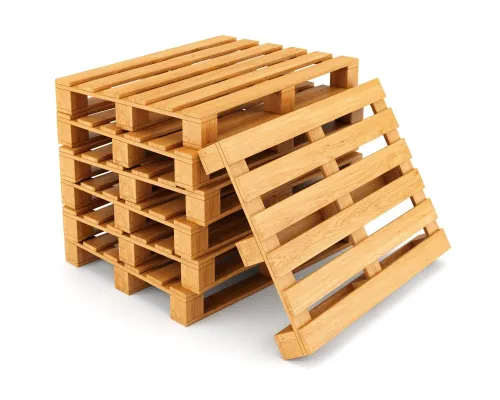
ISPM 15 applies when your export packaging contains raw, solid wood, not simply because a provider advertises ispm fumigation in pune. Pallets, crates, skids, cable drums, dunnage, blocking and braces fall within scope when they travel in international trade.
Check the packaging in this order:
1. Confirm the material. Packaging made entirely from plywood, oriented strand board, fibreboard or other processed wood is generally outside ISPM 15. Wood thinner than 6 mm is also exempt.
2. Look for solid-wood parts. Solid-wood blocks, runners, battens or braces can bring a package back within scope even when its panels are plywood or OSB.
3. Inspect debarking. Bark pieces under 3 cm wide are permitted. A wider piece is permitted only when its individual surface area is less than 50 cm².
4. Reject poor construction before booking. Check for large cracks, open joints, insect holes and wood surfaces hidden from treatment. Treatment cannot make badly manufactured packaging strong, reliable or compliant.
5. Recheck repaired or reused packaging. Adding untreated wood or new blocking to a marked crate, pallet or skid can require fresh treatment and a new mark. Remanufactured packaging assembled from previously marked components also needs a compliance check.
If any solid wood remains, give the provider the assembled package, dunnage and blocking details before booking. Do not assume a treatment certificate cures design or construction defects.
Heat treatment or methyl bromide fumigation: which route fits the shipment?
Heat treatment is the usual ISPM 15 route, not a synonym for methyl bromide fumigation. It requires the wood core to reach 56°C for 30 continuous minutes.
Ask for records showing the probe location, core temperature and holding time; a chamber-air reading does not prove that the centre of a thick runner or crate member reached the target.
| Route | Key control | When it fits |
|---|---|---|
| Heat treatment (HT) | 56°C wood-core temperature for 30 minutes | Most solid-wood export packaging |
| Dielectric heating (DH) | Recognized ISPM 15 process with authorized equipment | When the provider and destination accept it |
| Methyl bromide (MB) | Authorized use, dosage, exposure, aeration and clearance | Only where quarantine or pre-shipment rules permit it |
Methyl bromide is an ozone-depleting substance with restricted quarantine and pre-shipment uses. Before choosing export wood fumigation in Pune, confirm the operator’s authorization and acceptance by the importing country, carrier and freight forwarder.
Compare destination-country rules, wood type and thickness, shipment deadline, package dimensions and whether the cargo is already packed. For a large assembled crate, heavy dunnage or over-dimensional cargo, ask the provider to price the actual treatment volume and package configuration.
Schedule treatment close to dispatch, while allowing time for aeration, safety clearance, handling and document preparation.
How to book an ISPM treatment service in Pune
Choose an ISPM fumigation service in Pune that is authorized under India’s plant-quarantine framework and can issue export-accepted treatment records. A general pest-control company is not enough.
1. Ask whether the provider covers Chakan, Bhosari, Pimpri-Chinchwad, Talegaon, Ranjangaon, Hinjewadi and nearby industrial zones. Confirm whether it offers pickup, treatment at its facility, or onsite treatment at the packing or shipment location.
2. Send the booking request with the destination country, export date, shipping mode, package count, wood species if known, dimensions, assembled or loose status, total wood volume, dunnage and blocking details, and whether the cargo is already packed. Ask for the treatment method, available slot and documents included in the quotation.
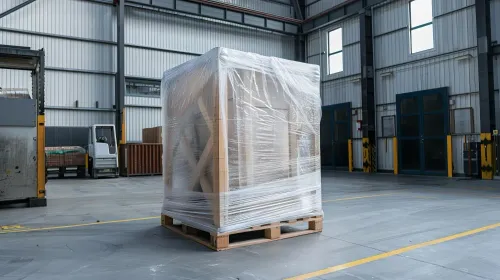
3. Match the treatment location to the package. Treat loose packaging before packing when access and inspection matter. Treat the assembled crate, skid or dunnage after packing when the final unit must receive and retain one shipment mark. Use shipment-site treatment when moving an oversized package is impractical.
Ask who handles last-minute blocking changes, modifications, re-treatment and re-marking. For complex or over-dimensional cargo, book a wood packaging fumigation service in Pune before the packaging is built, then confirm the slot against the vessel, airfreight or truck dispatch date. Include aeration, handling and site-access time in the schedule.
What should a Pune provider give you after treatment?
A provider should give you a treatment certificate or fumigation certificate in Pune, plus a commercial invoice, that identifies the exact export packaging treated. The paperwork must match the crate, pallet, skid or dunnage that your broker or importing authority will inspect.
1. Check the certificate for the treatment date, package or lot description, number of units, dimensions or treatment volume, batch or job reference, treatment method, and the provider’s authorization or registration details.
2. For methyl bromide, require the chemical name, dosage, exposure period, temperature, and aeration or clearance information. For heat treatment, require the wood-core temperature record, probe location, and proof that 56°C was maintained for 30 continuous minutes.
3. Reconcile the document with the cargo before dispatch. A certificate does not replace the ISPM-15 mark. Inspect each mark for the IPPC symbol, India’s two-letter country code, the producer or treatment-provider code, and HT, MB or DH.
The mark must be legible, permanent and visible on at least two opposite sides of a crate, pallet or skid. If it is missing, painted over, detached or unreadable, stop the shipment and ask the provider or freight forwarder for corrective instructions before port inspection or customs clearance.
A generic “fumigated” sticker is not an ISPM-15 mark.
Where to place the booking when packaging and cargo handling are linked
Place the booking with a provider that controls packaging and cargo handling, not only the treatment certificate. A standalone appointment can leave you coordinating crate manufacture, blocking, moisture or corrosion protection, pickup and dispatch between separate contractors.
For an exporter comparing OM INDIA with a separate ispm fumigation service in pune, ask whether one team can assess the wood components, arrange the selected ISPM route, treat at its facility or your site, and keep the mark visible after packing. Use this procedure:
1. Request written confirmation of coverage in Pune, including your plant location, pickup route and site-access limits.
2. Ask for authorization details, treatment method, turnaround time, facility or onsite charges, re-treatment policy and the exact documents issued.
3. For heavy equipment or over-dimensional cargo, confirm that the quotation includes the assembled crate or skid, internal dunnage, blocking, treatment volume and lifting or access constraints.
4. Send the destination country, dispatch date and package configuration, then have the provider confirm that the freight forwarder and importing authority accept the proposed method.
5. Before release, match the physical IPPC mark to the certificate, check that no untreated timber was added, and identify who pays for re-treatment after site modifications.
Treatment is not permanent protection. Keep treated packaging away from untreated wood, and do not repair or add blocking after marking without written compliance instructions. Schedule treatment close to dispatch while allowing handling, aeration or safety clearance and document preparation.
Related products
 | ISPM-15 Compliance Services Service Provider in Pune, Pimpri Chinchwad & Mumbai OM INDIA is a trusted provider of ISPM Fumigation Services, offering certified fumigation... View product → |
 | ISPM-15 Compliance Services Provider in Pune, Pimpri Chinchwad & Mumbai OM INDIA is a trusted provider of ISPM-15 Compliance Services, offering certified treatment solutions for... View product → |
Frequently asked questions
Does all export packaging require ISPM 15 treatment?
No. ISPM 15 applies to raw, solid wood packaging such as pallets, crates, skids, cable drums, dunnage, blocking, and braces used in international trade. Confirm whether each wood component falls within scope before dispatch.
Should you choose heat treatment or methyl bromide fumigation?
Compare the destination country’s import rules, the packaging material, cargo sensitivity, and required paperwork. Heat treatment uses controlled heating, while methyl bromide fumigation requires a licensed service and treatment documentation.
How do you book an ISPM treatment service in Pune?
Send the provider the destination, cargo details, packaging type, wood quantity, dispatch date, and treatment preference. Confirm the site, schedule, treatment method, marking, and documents before loading.
What should a Pune provider give you after treatment?
Request the ISPM 15 mark on treated packaging and treatment records showing the method, date, packaging details, and provider information. Ask whether your shipment also needs a fumigation certificate or other destination-specific document.
Related product
 | ISPM-15 Compliance Services ISPM Heat Treatment (HT) Service Provider in Pune, Pimpri Chinchwad & Mumbai OM INDIA is a trusted provider of ISPM Heat Treatment (HT) Services,... View product → |
Keywords